
When Burnout is not Personal, but Systemic
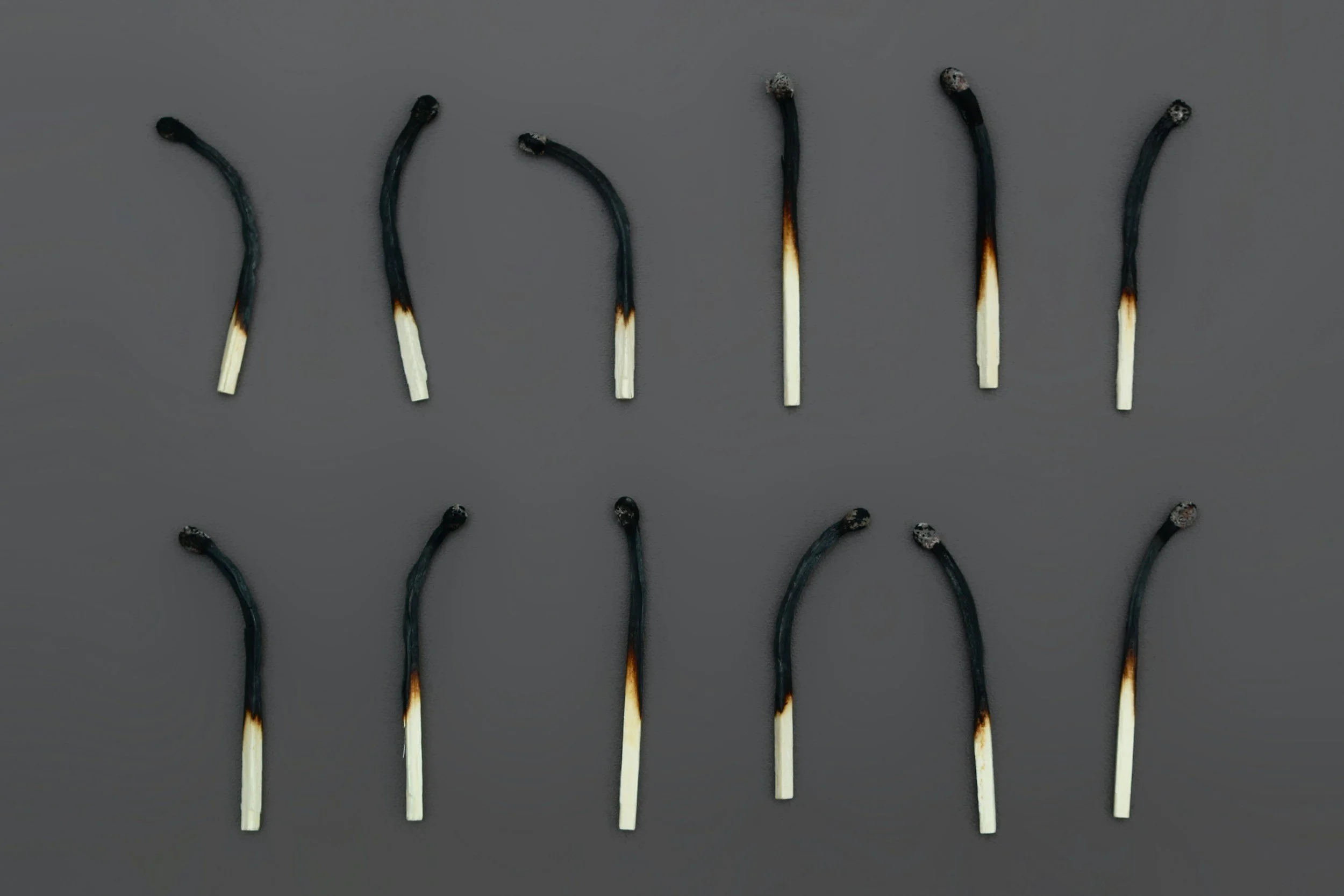
What leaders assume
Often, leaders see burnout as an individual problem. A person burning out needs better time management, more resilience, a break, etc, and they should figure out how to get it.
Employers already offer sick days, EAPs, unlimited PTO, so the support is there…right? Yet people continue to burn out.
This happens when the intervention is aimed at the individual but fails to address the core issue.
The Missed Cause
Chronic ambiguity, tension, context-switching, unclear responsibilities, lack of trust — people absorb these as they happen, and they become unresolved stress. As this builds, individuals eventually reach their coping capacity, and burnout takes hold.
It may look like individual exhaustion when different people have different limits, but it’s actually illuminating organizational norms that are causing burnout.
Leaders can help themselves by shifting from “Who is struggling”? to "What stresses are we asking people to carry?”
Why It’s Easy to Miss
People rarely call “burnout” by its name, particularly to their leaders. In fact, the build-up to burnout can look like a very engaged employee - staying late, saying yes to everything, becoming the workaround to a recurring problem, showing up even when there’s nothing to restore the energy already spent.
When the system has no mechanism for breaks (or if they are inaccessible), people might look very dedicated until they suddenly drop their 2-week notice on the desk.
The tricky part for leaders is that by the time burnout is visible, the pattern has been in place for a while. Conditions have pushed people, and change feels impossible to those in the day-to-day.
Individuals show the strain, while the systemic causes persist.
How to save yourself — and your people
Get curious about stress. Where is it coming from? What areas/processes/initiatives feel ambiguous or continually cause friction? What patterns do you see for people who have burnt out? What are people holding onto that isn’t being named?
While it’s necessary to have sick leave, mental health benefits, EAPs, etc, these are only useful if they are able to be used. Are teams already so lean that no one can provide back-up when a team member is out? What stigmas may exist in the culture around taking breaks or asking for help?
For leaders, getting curious about the real systemic causes of burnout is crucial. Use 1:1 times to probe for areas of stress that people are experiencing, then get proactive about solving issues. Solicit feedback and ownership from people who are brave enough to offer their views and suggest both problems and solutions.
Developing a culture that prevents burnout does not happen by accident - it happens with intentional, human-centric leadership.
Take action today: Download our Burnout Workbook now and begin reshaping your work environment.