
When Intelligence Needs Help
Intelligence is necessary, and it’s only part of the picture
When Intelligence Becomes a Less-Helpful Shortcut
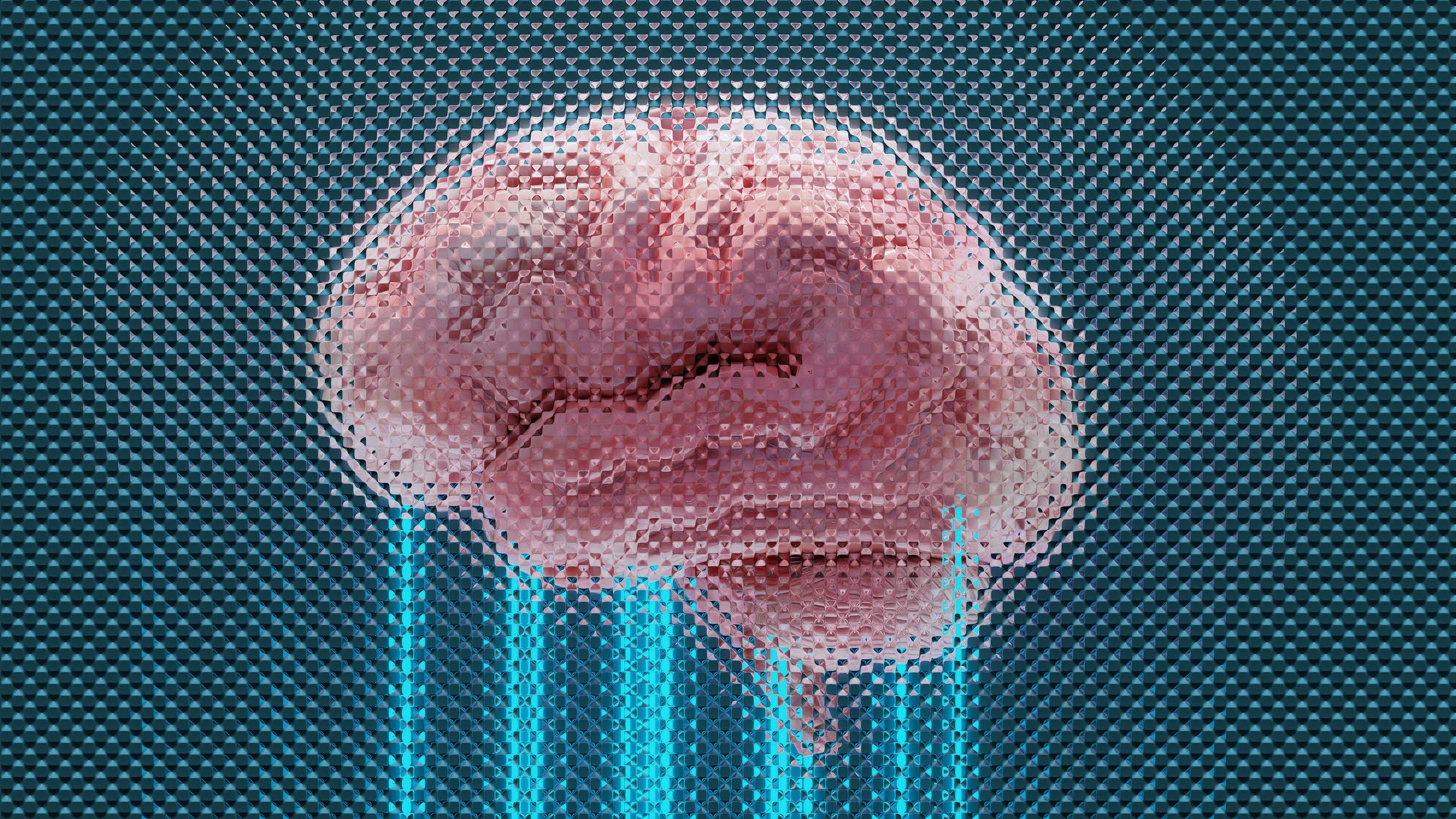
Most leaders take some pride in their intelligence. It feels like a core part of everything they've built. Being able to analyze scenarios, lean on past experience, and describe what should happen areall forms of pattern recognition, and pattern recognition is what makes leadership feel instinctive over time. It is also, over time, the source of your most significant blind spots.
The more your intelligence delivers results, the more you trust it. And the more you trust it, the less you examine it. The same patterns that have made you an effective leader can become the most ingrained and difficult to interrupt. The neural pathways become so reinforced that they feel automatic and are very difficult to notice, let alone change.
This is perfectly natural and exactly how the brain is designed to work. If we didn’t rely on pattern recognition, we’d have to face every decision as if it were brand new. Imagine how long a grocery store trip would take if you had to read every food label every time.
The Perfect Complement to Intelligence: Metacognition
Your intelligence and experience are superpowers. Without metacognition, they can also become the thing that keeps you from growing.
Metacognition is the ability to understand and think about your thoughts — it’s the layer of thought on top of thought. It is a particular capacity to remain curious and non-judgmental about your thought patterns. This means examining the thoughts you’ve stopped examining, not because they were wrong, but because they became so trusted that questioning them stopped feeling necessary. Examining thoughts is the key to being adaptable as times change and to quickly course-correcting when you notice your default patterns are leading you astray.
When you more accurately notice and guide your own thoughts, you building a new level of self-awareness is possible. With it new awareness, you understand not only how others perceive you and what your strengths and weaknesses are, but also what circumstances may bring out your best or potentially drain you. As the roadmap of your mind develops and evolves, you can make more conscious choices to keep yourself in your most effective state.
Developing Your Metacognition Capacity
Metacognition is a large part of mental fitness, and like physical fitness, it requires time and practice to build. This is a journey that can be taken individually or accelerated with the right partner.
Broadly, mindfulness can be considered the individual side of the journey; coaching is the support partner. Mindfulness helps us understand the patterns in our brains, and a great coach holds the mirror that mindfulness can’t always provide on its own. Great coaches provide a non-judgmental, curious space to explore, challenge, and create behavioral patterns. Beyond that, coaches are well-versed in the challenges and biases you may be facing, helping you quickly identify, name, and navigate your mental habits.
Smart leaders will naturally find themselves in the occasional rut, not because they lack insight, but because they are operating on assumptions and patterns that no longer serve them. These habits have been working for so long that they don’t even feel like choices; they simply feel natural and instinctive.
Coaching brings these habits to light as choices, so leaders can choose to lead from intention instead of habit.
Ready to break the defaults holding you in place?