
Body-First: The Earliest Burnout Signal Leaders Miss
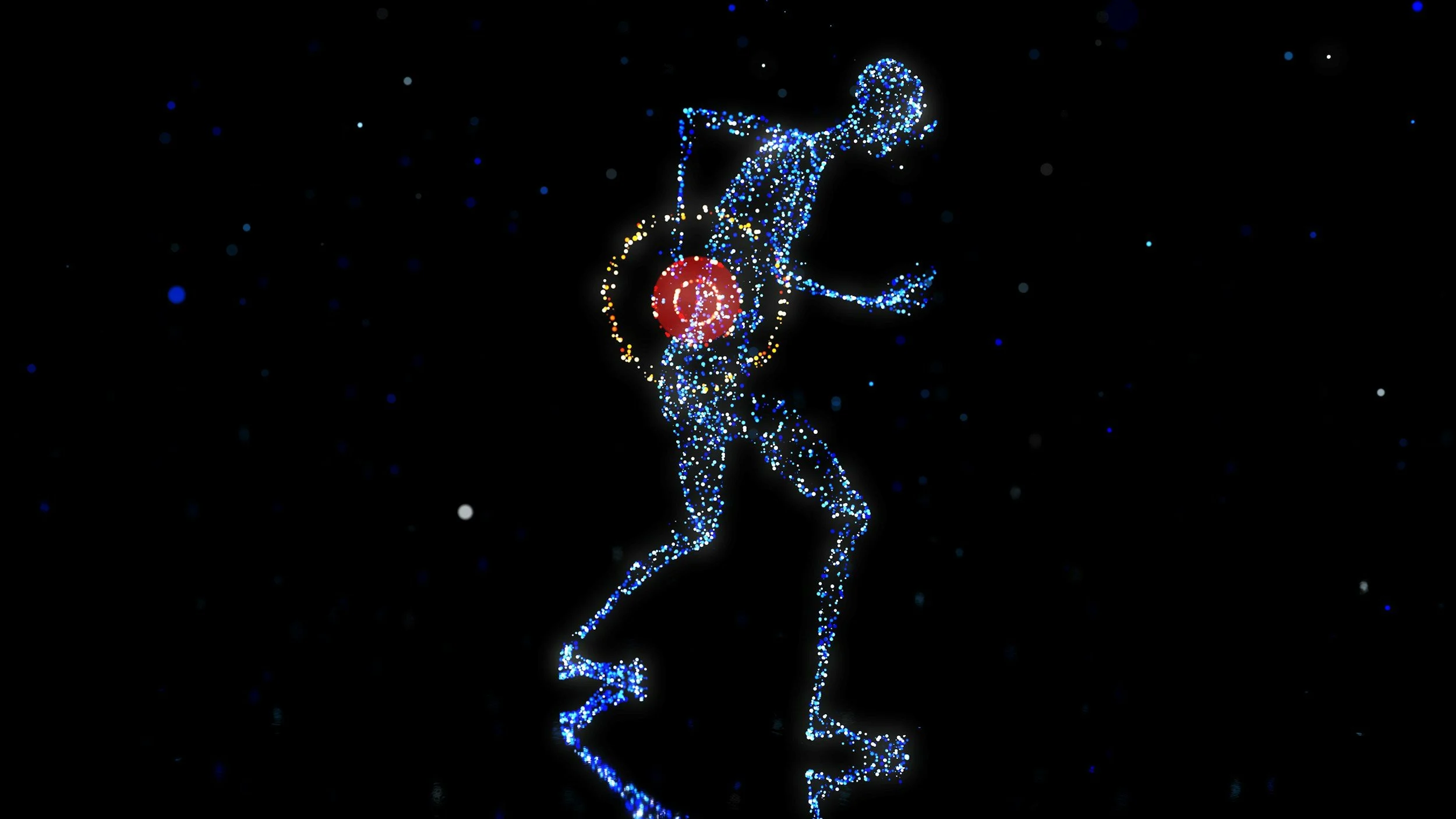
If you wait until someone breaks, you waited too long.
Burnout never starts with someone saying, “I’m burned out.”
It begins with signals that the body feels before the mind. These are not dramatic signals, but subtle changes: having a shorter fuse, waking up tired, the sense that every task is harder than before.
It’s not weakness or a lack of resolve; it’s information. And ignoring it comes with a major price tag.
Why Leaders Miss Early Burnout
Most leaders know to monitor performance indicators such as missed deadlines, lower output, attitude shifts, and disengagement. While these are important, they are also “lagging indicators” — by the time they show up, burnout is already taking hold.
Burnout actually begins as a capacity signal, showing up physiologically first. This is why it’s easy to miss: the work is still getting done… until it’s suddenly not.
Christina Maslach, nationally renowned burnout researcher, identifies burnout as a physiological condition that goes far beyond “exhaustion.” It begins in the body before behaviors change, which then affect the outcomes leaders closely watch.
What the Body Flags
The key physiological symptoms of burnout show up immediately, and it is all too easy to dismiss them. To give you a feeling for these red flags, think about times you’ve experienced any of the following:
You recover more slowly from normal weeks
You feel “on edge” even when nothing is wrong
Your brain gets noisier at night and harder to quiet down
Small decisions feel heavy and slower
You are more reactive with people (even those you usually get along with)
These aren’t personality changes; they are the body saying, “These conditions are asking for more than we can sustainably give.”
For leaders, it’s necessary to keep on top of your own burnout to help yourself and your team, but it’s also a doorway to noticing it and getting proactive when others are feeling it. Understanding what burnout feels like helps leaders identify these patterns in their teams before they become a show-stopping issue.
The Conditions Question
When leaders notice these signals, the first reflex is often to seek personal fixes: boundaries, more sleep, self-care. These help, but they are not the whole story.
For leaders, the more useful question is: What conditions in our environment drive burnout?
Does the culture allow for breaks? Do people ask for help? Do people give help? If you asked for work that was beyond normal job requirements, what do you think the reaction would be?
If you want to understand the conditions quickly, consider these 3 questions:
Where does tension live in the organization (i.e., where do you find unresolved conflict, unclear priorities or roles, and decisions are not being made)?
What patterns do you notice resurfacing time and time again?
How are you, personally, compensating for system issues?
In organizations, as in medicine, getting to the root cause is the only way to truly solve a problem. Focusing on personal coping skills only creates band-aids and treats symptoms while the system continues to incite more burnout. Leaders who can stay curious and dig deeply to find the answers to the conditions question will empower themselves to address burnout at the root.
Interested in more resources that could help you? Check out our Burnout Handbook: