
From Great People to Great Outcomes
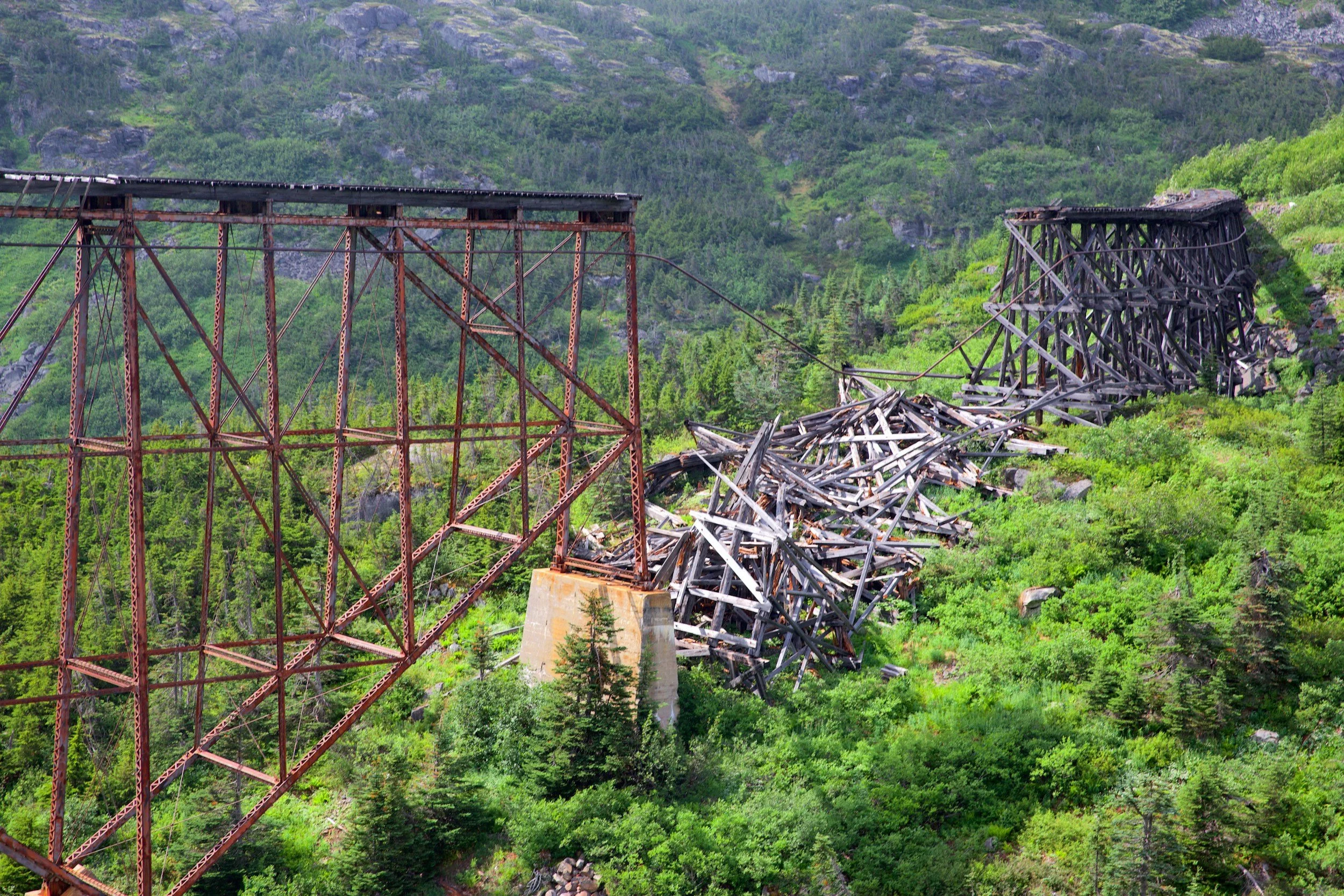
It’s hard to get where you’re going with a broken system
You’ve said it. I’ve said it. We’ve all heard it in boardrooms, leadership off-sites, and in the quiet moments after a hard quarter.
“I don’t understand. We have great people.”
It’s not a complaint. It’s genuine confusion, pointing straight to the issue most organizations fail to address.
Falling into this trap is understandable. It feels logical to say that if we get the right talent, we’ll get the right results. The problem is that this assumes putting people in place is all it takes for them to figure it out.
In a team of natural leaders with dedication to the shared cause, this sometimes works out. More often, however, there are environmental obstacles (some very well-hidden) that quietly work against the team and its goals.
Great people cannot overcome dysfunctional conditions. They simply adapt to them and continue to feel the friction.
A Shared Experience
We opened the first chapter of our book with a scene most leaders will recognize. A manager sitting at a bar, watching three projects flash red simultaneously. Not because the teams were weak, but because the environment gently and consistently reinforced the idea that speaking up wasn't worth it.
Information was jealously guarded. Departments stopped communicating. Resistance and fatigue spread like mold on bread.
Still, the thought remained: but we have great people!
And they did. That just wasn't the problem.
The Shift
You don't solve a conditions problem by upgrading the people. You solve it by changing how the environment shapes behaviors, by building the conditions — clarity, safety, trust, connection — that let the great people do great things.
As a social species, humans are generally programmed to support others, ensure they contribute to their communities, and expect to belong and be supported by peers in return. When the environment does not support these needs, tribalism, protectionism, and animosity creep in. Without the right conditions, humans cannot. efficiently move and collaborate as a group. In short, they just aren’t ready yet. Human readiness is key to change agility, and change agility is crucial for survival and growth.
What Happens When You Focus on Readiness
You stop chasing symptoms. You stop redesigning the process when the process isn't the problem. You start asking different questions:
Not "why aren't people engaging?" but "what obstacles to collaboration have we built?"
Not “why can’t they just do what they are told?” to “what fears have we triggered inadvertently?”
Not “why don’t they just follow the plan?” to “what about our strategy is unclear or not accepted?”
Leaders who make this shift don't just get better engagement scores. They get organizations that can actually move. Where information flows because it's safe to share it. Where people take initiative because they trust the direction. Where change sticks because the humans are included from the start.
The Book Starts Here
We wrote The Authenticity Upgrade because we've been in these rooms. We know what it costs when this goes wrong — and what becomes possible when it goes right.
If this resonates with you (or perhaps feels a bit too close to home), you might enjoy the first chapter of our book. It’s available for free here: