The Human Side
Real stories and practical ideas on leading ourselves, working together, and building workplaces that work for humans.

What Does It Mean to Be Human-Ready in the AI World?
After an AI rollout is announced, people start asking questions. “Who decides how this gets used?” “Can I trust what it gives me?” “How does this fit with everything else I’m already doing?”
Those questions show how ready people are, and how well the change is likely to go. A pilot can go well and still leave them unanswered, and when the answers feel shaky, an organization can have plenty of AI activity and very little that sticks.
Readiness is rarely the same across a company. One team may have the tools, a manager who makes time for practice, and room to experiment. The team down the hall may have little of that.

Read the Room. Read the Work. Move Both Forward.
You've been in this meeting. The agenda is clear, the right people showed up, and forty minutes later nothing has moved. Someone wants a status update. Someone else is questioning whether this is even the right approach. A third person has gone quiet, and you can tell they disagree.
The work needed a decision. The room needed something else first. Moments like this ask two things of us at once.
Executive presence shapes how people experience us: whether they trust our judgment, bring us in early, and tell us what they're seeing.
Strategic thinking shapes how we approach the work: knowing where it needs our attention, zooming in and out, and pausing long enough to ask whether the familiar answer fits this situation.
We usually develop them separately. In the meeting, they arrive together, often in the same sentence.
So the next time a meeting stalls, try asking two questions: What does the work need right now? And what does the conversation need?

A Different Approach to Change
People don't resist change simply because they dislike it. They resist uncertainty, loss, and feeling left out of the process. Learn how human-centric leaders transform resistance into insight, trust, and meaningful progress.

Grow Leaders, Improve the Whole Ecosystem
Why leadership and executive coaching hold some of the greatest ROI for a development budget

When “Just Do It” Isn’t Working
Despite being a wonderful tagline, “Just Do It” doesn’t cut it when it comes to changing some of our most ingrained behaviors

The Cost of Misalignment Is Momentum
Momentum is a factor of clarity and energy - how can you create them for your team and what is the cost of missing out?

When Burnout is not Personal, but Systemic
While burnout may be experienced by individuals, the cause is often systemic

Siamo’s April 1st School of Change Management
Change Management is so easy that on this April 1st we’re just giving away the secrets

Is Salary a Leading or Lagging Indicator?
Understanding the relationship between compensation and motivation

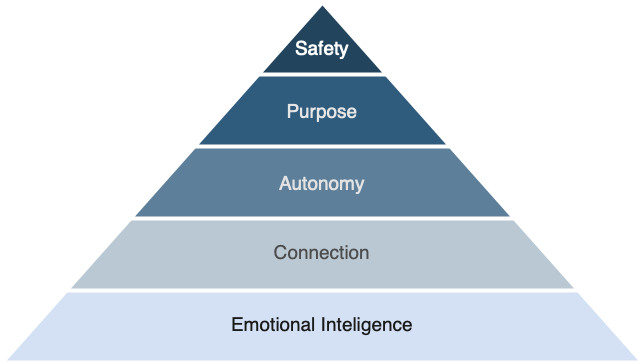

A Roadmap for Solving Culture Problems
Steps for making change in culture to solve specific business problems

Are We Humans, or Are We Dancing Pigeons?
The battle between correlation, causation, and lucky underwear.
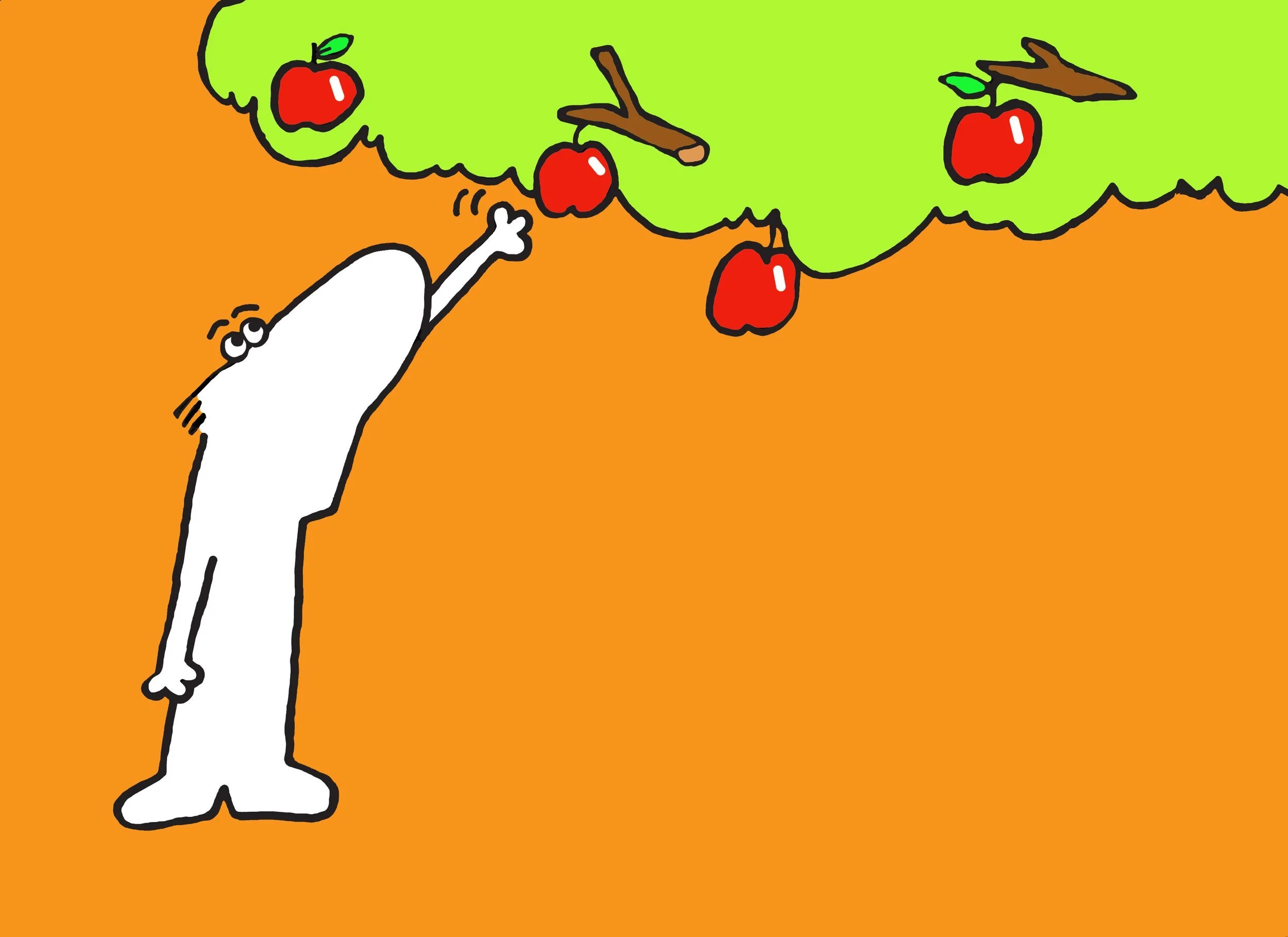
There is no low hanging fruit when it comes to humans at work
Employees are leaving in record numbers and the solution is deeper than quick win “perks”

Don’t Paint Copper Pipes
How a home repair illustrated the key aspects of being a good service provider.

Harnessing Change Inertia
How can we harness mental inertia to drastically change our trajectory and potential?

Stop Calling It “Real” Work - The Myth of Measurability
The push to make data-driven decisions can create unhelpful bias towards easily measurable metrics and miss the bigger picture.

Stop Calling It “Real” Work (Part 2)
When is pragmatism useful and when does it hold us back? How do we tell the difference?

Stop Calling It “Real” Work
Busting the Myths surrounding one pervasive mental block: determining what is “real” work